
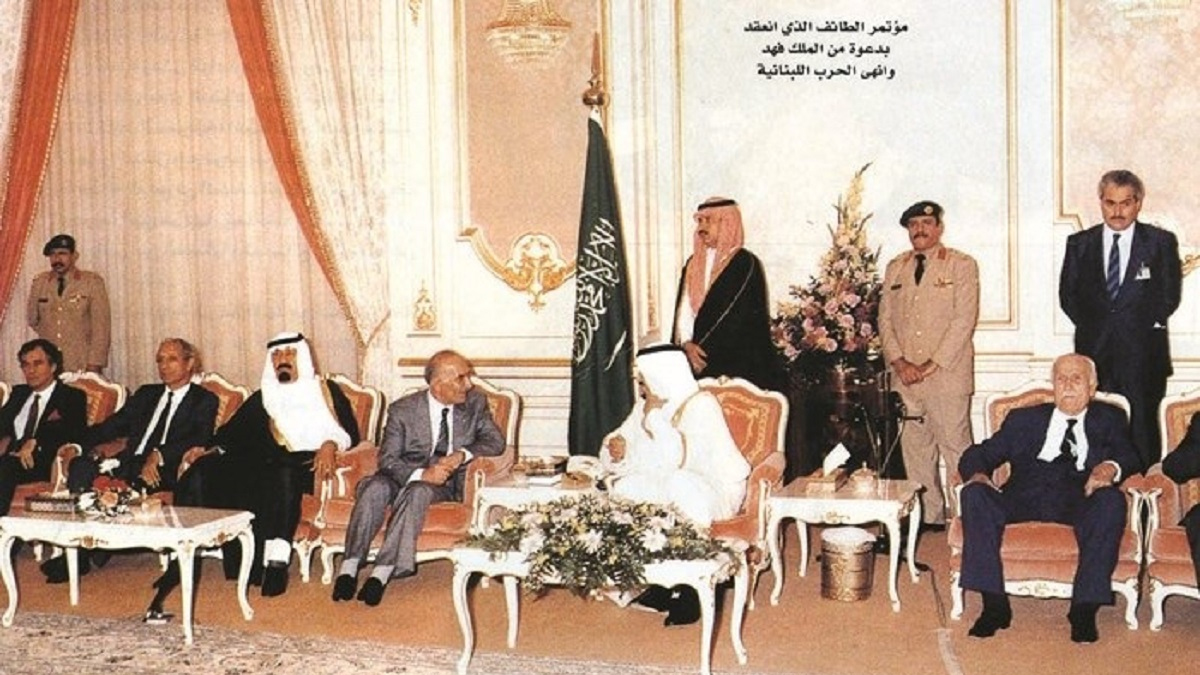
The Taif agreement signed in Saudi Arabia on October 22, 1989 puts an end to the long armed conflict in Lebanon. This international agreement granted by the international community and the Arab countries, will be somehow approved by the political and military forces in Lebanon with the exception of the Prime Minister of the time General Michel Aoun who refused this agreement and who rushed into a dual political and military struggle until the Syrian invasion on the morning of October 13, 1990.
The control of the land by the Syrian forces imposed them as guarantors of the restoration of peace. Hafez Al Assad will play at this level on two fronts: Provide coverage through Arab and international funding; and controlling the internal political spectrum so as to be the sole interlocutor and sole manager of the security equation.
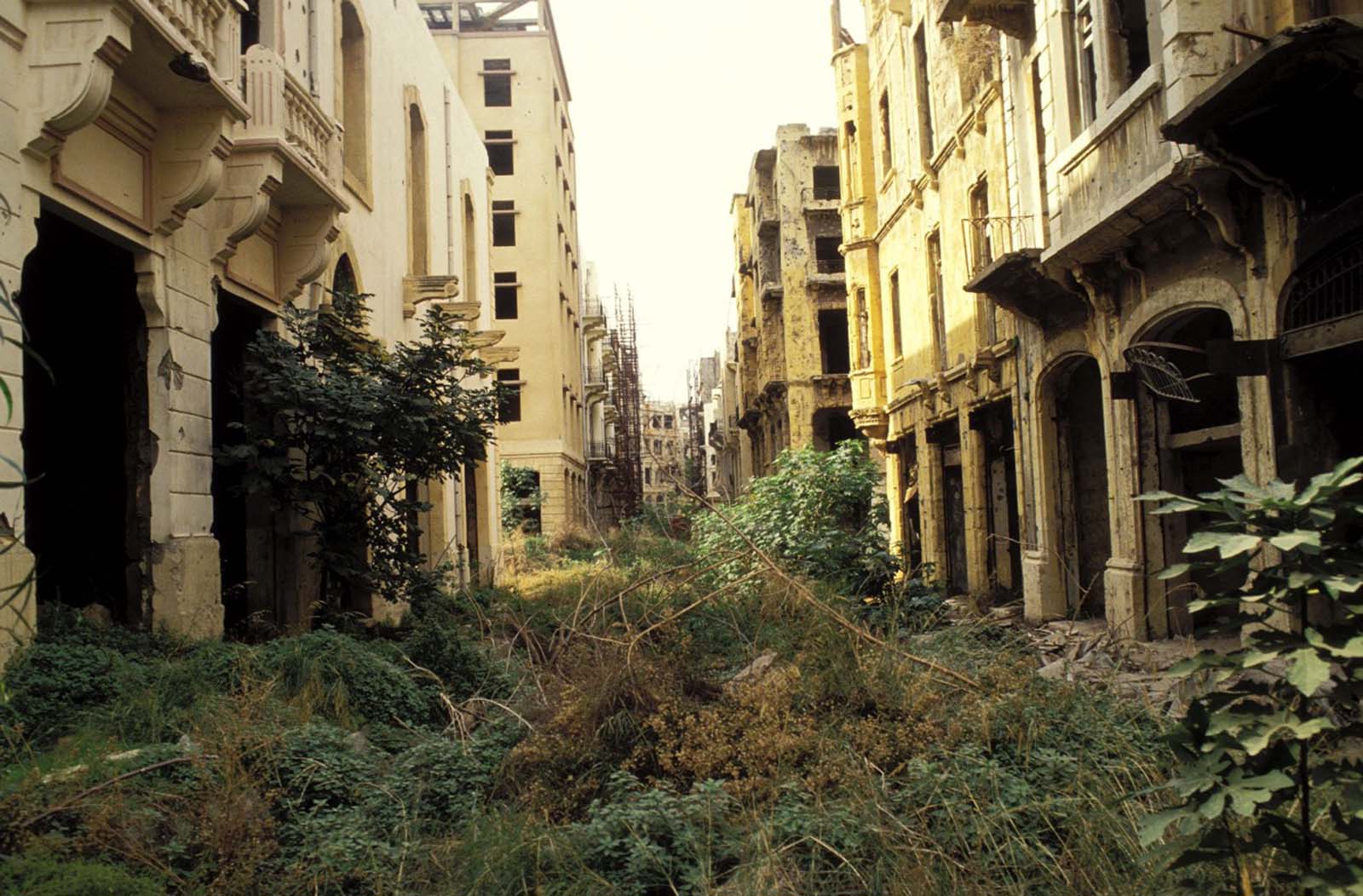
Internally, he first ousted the old political class in favor of the warlords. He strengthened their grip by orchestrating a looting of state resources while keeping the hand higher to control all the actors who benefit from the new provisions. This distribution will make it possible to maintain and manage a flourishing clientelism, since it is a question of winning social peace by integrating the former militiamen into the state apparatus. So that none of the newcomers would question Syrian legitimacy, Assad succeeded in creating balances and inter-communal tensions to maintain permanent instability between the warlords, who had a community label which prevented them from rising. at national level. They will succeed in this way,
The management of the resources of the State and its territory therefore falls to a corrupt and incompetent ruling class which will not be able to manage either the natural resources or the basic State services (water, electricity, telecommunications). Consequently, this will result in an annual budget deficit which will continue for thirty years but which will be rectified by a positive balance of payment thanks to the influx of foreign capital attracted by attractive interest rates. As for justice, over the years it will be subservient to the goodwill of the Lords of war, which calls into question the principle of the separation of powers.
The practice of post-Taif power has focused on a weakening of the role and function of the state at the expense of the warlords who become the guardians of the administrations and the managers of the functioning of the state.

Faced with the failure of this governance, it is a new management of the State that must be defined. The centralization of this corruption due to the fact that wealth is located at the central level, leads us to reflect on the means that could be found to free the citizen from the yoke of the Lords of war, where from all the others. This governance will result in a failure of the public interest and a generalized disgust with regard to the entire political class.
It is time to design a new administrative system, however decentralized it may be, to establish a more transparent, productive and efficient public management of State affairs. This would go through the institution of broad administrative and financial prerogatives to the localities to free the citizen from the yoke of the oligarchs of the central power.
Our greatest weakness lies in giving up. The most certain way to succeed is always to try just one more time. emotional sensation of stress from our first.